
Held in Hased, Home in Haven.
We are a nurse-owned Level 3 adult foster home in the Clackamas area, providing compassionate, personalized care in a peaceful home environment.
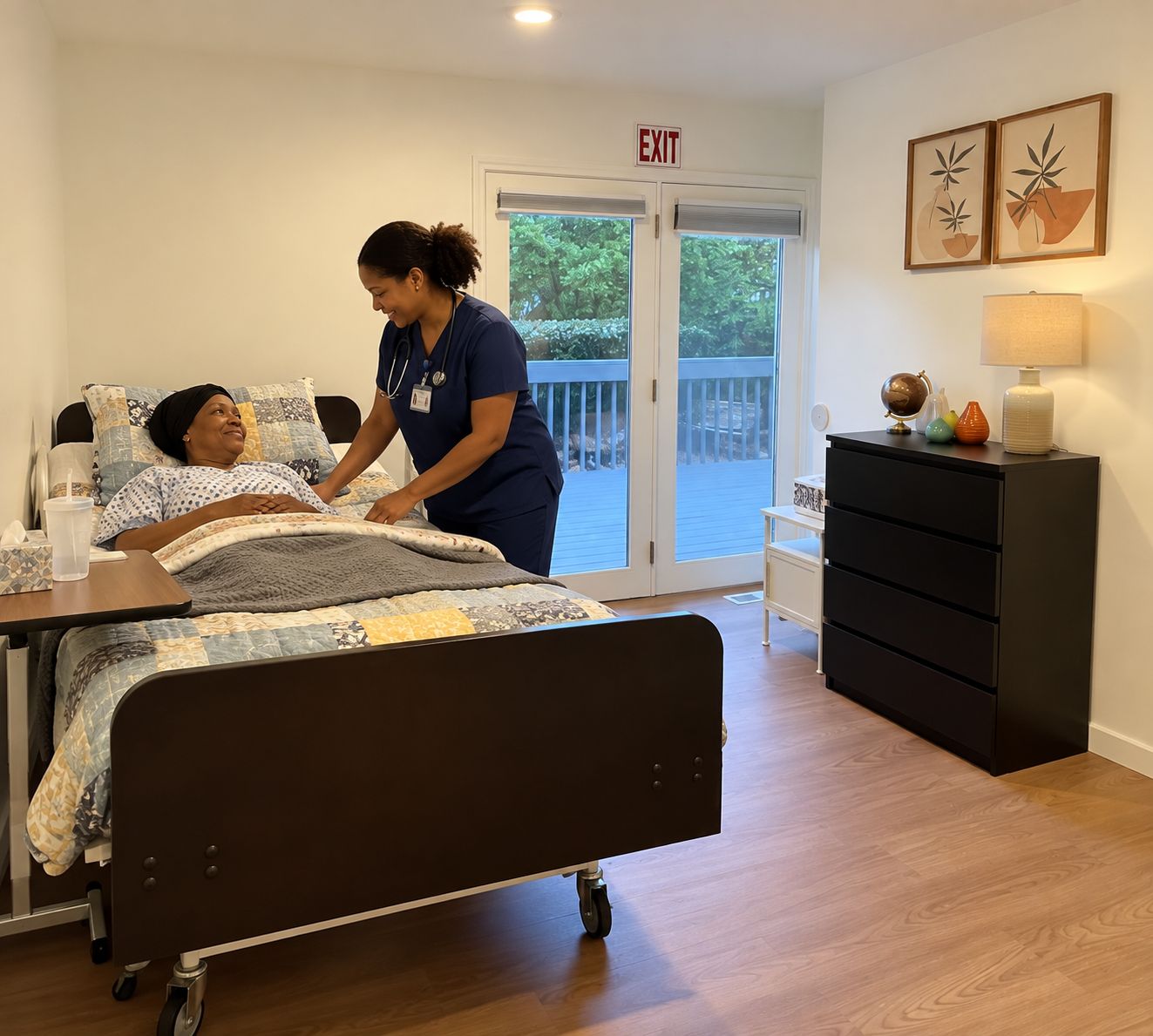
Four things that change when a nurse owns the house.
Most adult foster homes call a nurse when something changes. Here the owner is a registered nurse, so a decline gets noticed the day it starts. Tap each one.
A caregiver in the home around the clock, every day of the year.
The highest class Oregon issues, available to licensed health professionals.
The state maximum for an adult foster home, and the reason care stays personal.
Owned and operated by a registered nurse licensed in the State of Oregon.
Care that feels like family.
Everything is delivered right here in the home, by staff trained and supervised by the registered nurse who owns it.
24/7 Skilled Nursing
A caregiver awake and in the house around the clock, with nursing tasks trained and supervised by the registered nurse who owns it.
Individualized Care Plans
A written plan built from the pre-admission assessment and revised whenever the picture changes, not once a year.
Family & Resident Support
Families visit without an appointment and are part of the care conversation. Nobody has to phone a front desk to ask how their mother slept.
Emergency Readiness
Documented response protocols, current orders on file, and staff who were trained on this resident rather than on a policy.
Dementia | Memory Care
Structured daily routines, wandering precautions, and a calm, predictable day that helps with orientation.
Hospice & Respite Care
We work alongside the hospice team so a resident can stay in their own room, and we take short-term stays when a family caregiver needs relief.

The nurse is already in the room.
Samrawit Bedane, RN BSN owns and runs Hased Haven. Changes in health are noticed early, medication questions get answered without a phone tree, and families always have a nurse to talk to.
- Delegated nursing tasks taught and supervised in the home
- Full help for residents dependent in four or more daily activities
- Care grows with needs, so nobody has to move twice
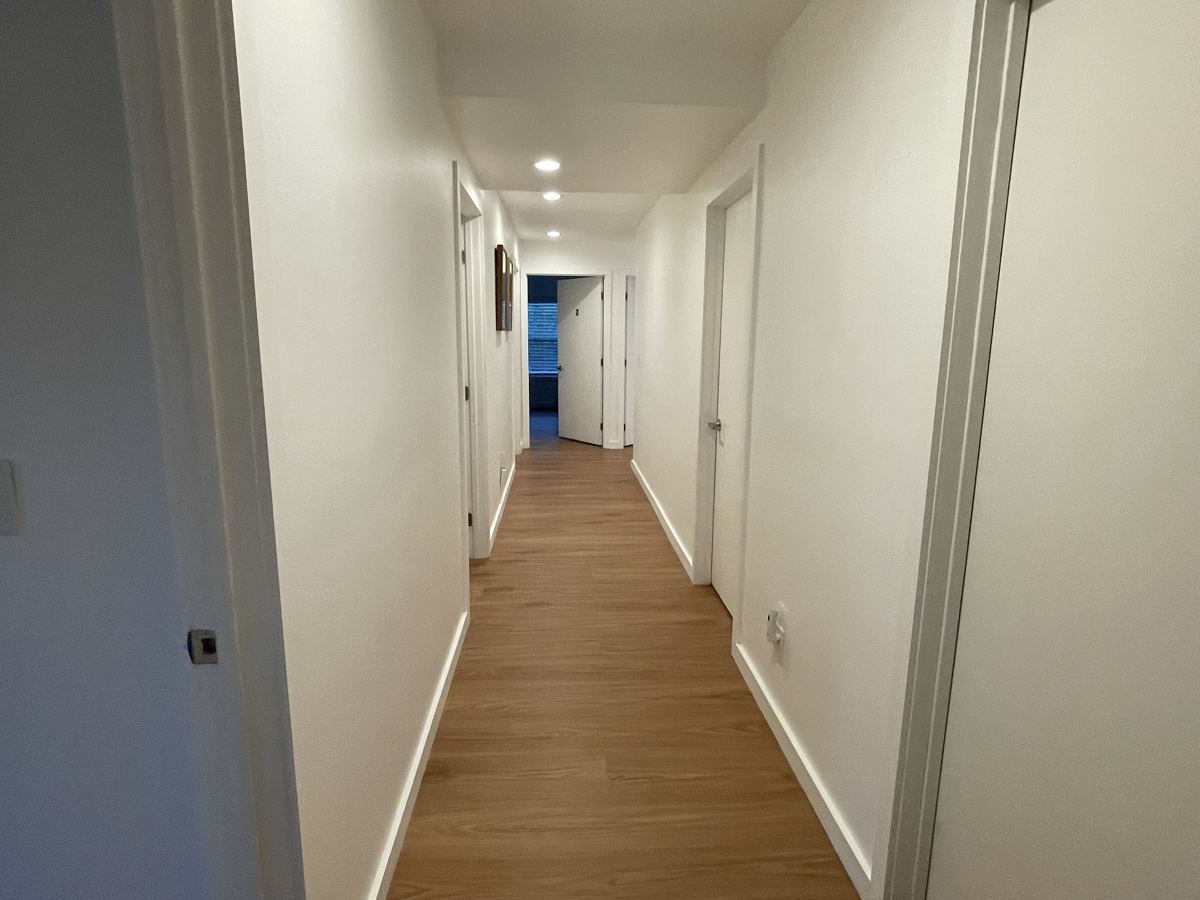
A short hallway is its own kind of safety.
A five-resident house is small enough that a person living with dementia can learn it. One kitchen, one table, one bathroom door to find, and a calm routine every day.
We keep the day predictable and meet residents in whatever reality they are in. Wandering precautions and exit safety are documented in every care plan.
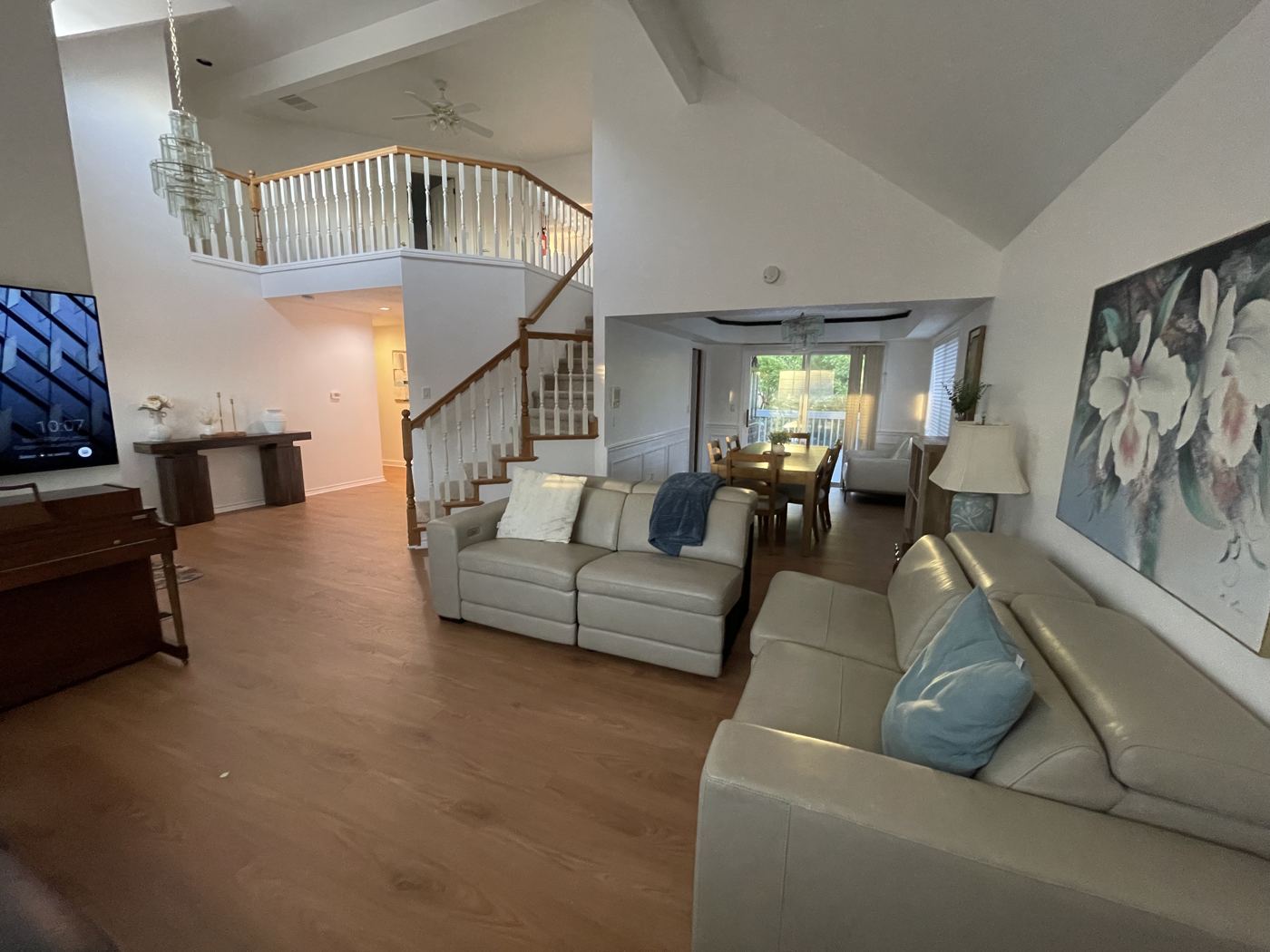
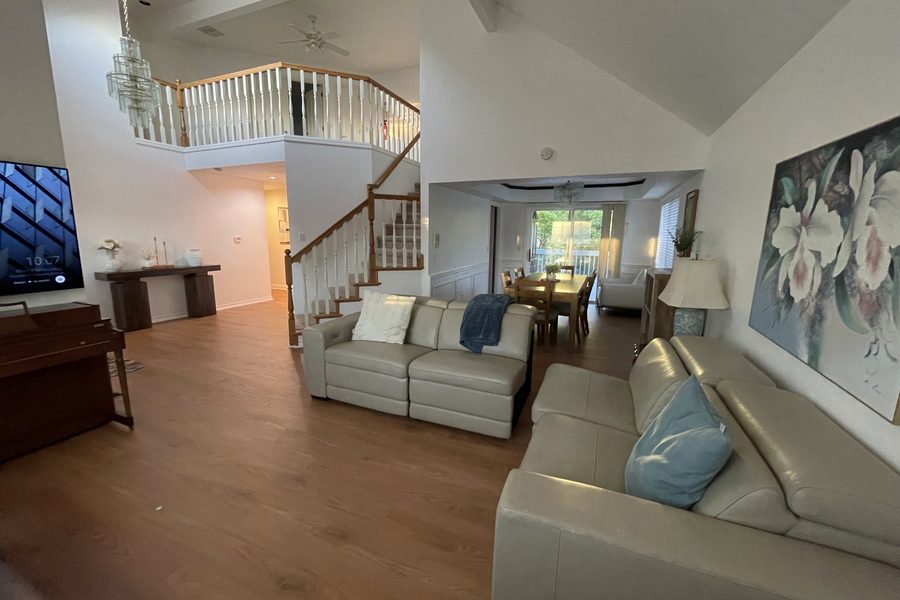
A real house, not a facility.
One kitchen, one table, 5 residents. Take a look around.
Moving in, step by step.
Families and case managers start the same way. We walk you through each step.
-
Contact us
Call or send the form. Families and case managers both start the same way.
-
Come for a tour
See the home, meet our team, ask the hard questions. Bring whoever needs to see it.
-
Assessment
We review ADL needs, equipment, medications and medical history to confirm we can support them safely.
-
On-boarding
A written residency agreement and an individualized care plan, agreed before anything is signed.
-
Start service
A move-in date set around the family, with a care plan ready from the first day.
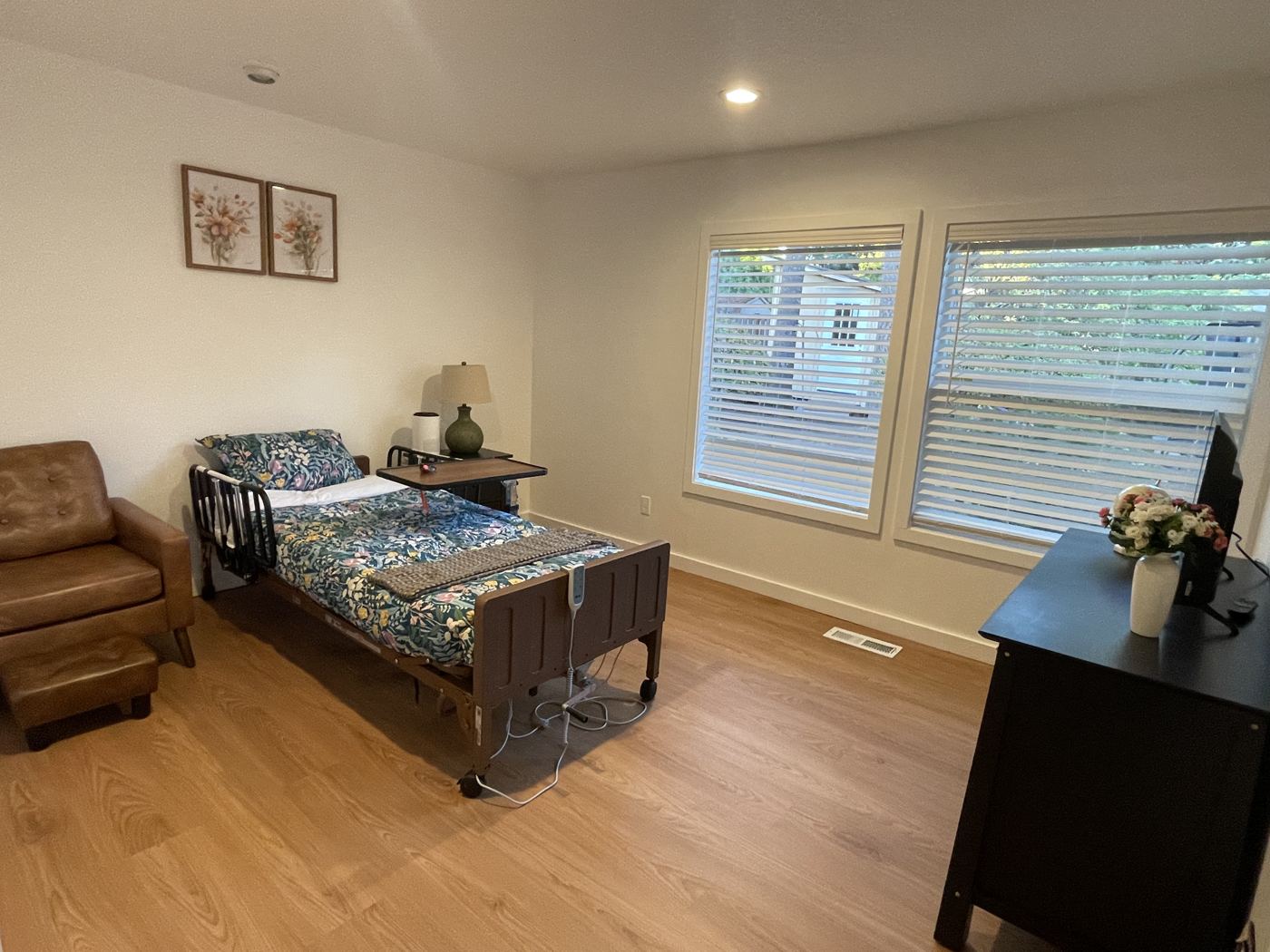
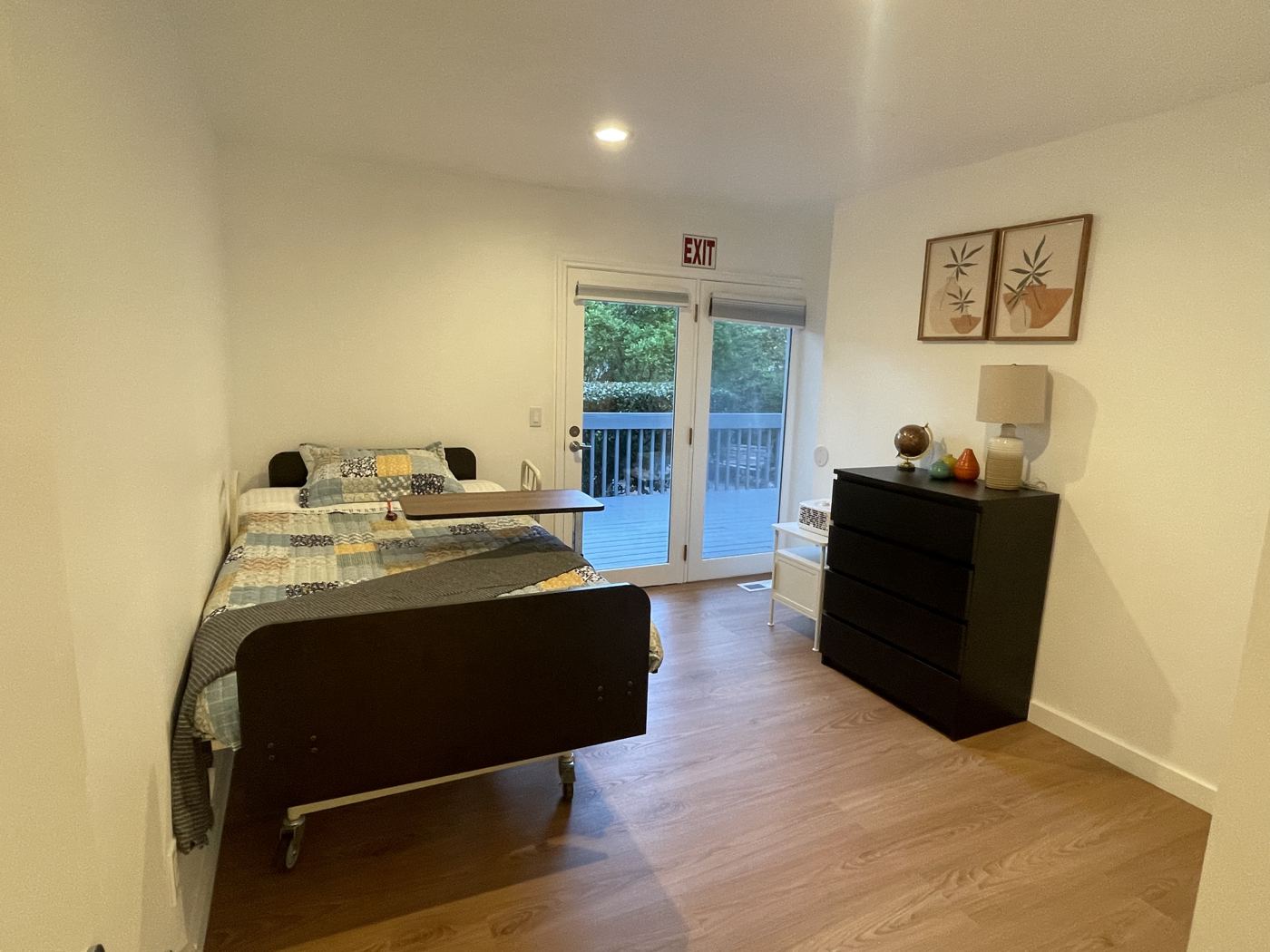
Come see the room.
There is no substitute for standing in the house. Call, or send the form and we will get back to you — usually the same day, always within one business day.
(704) 777-2124Clackamas, OR 97015
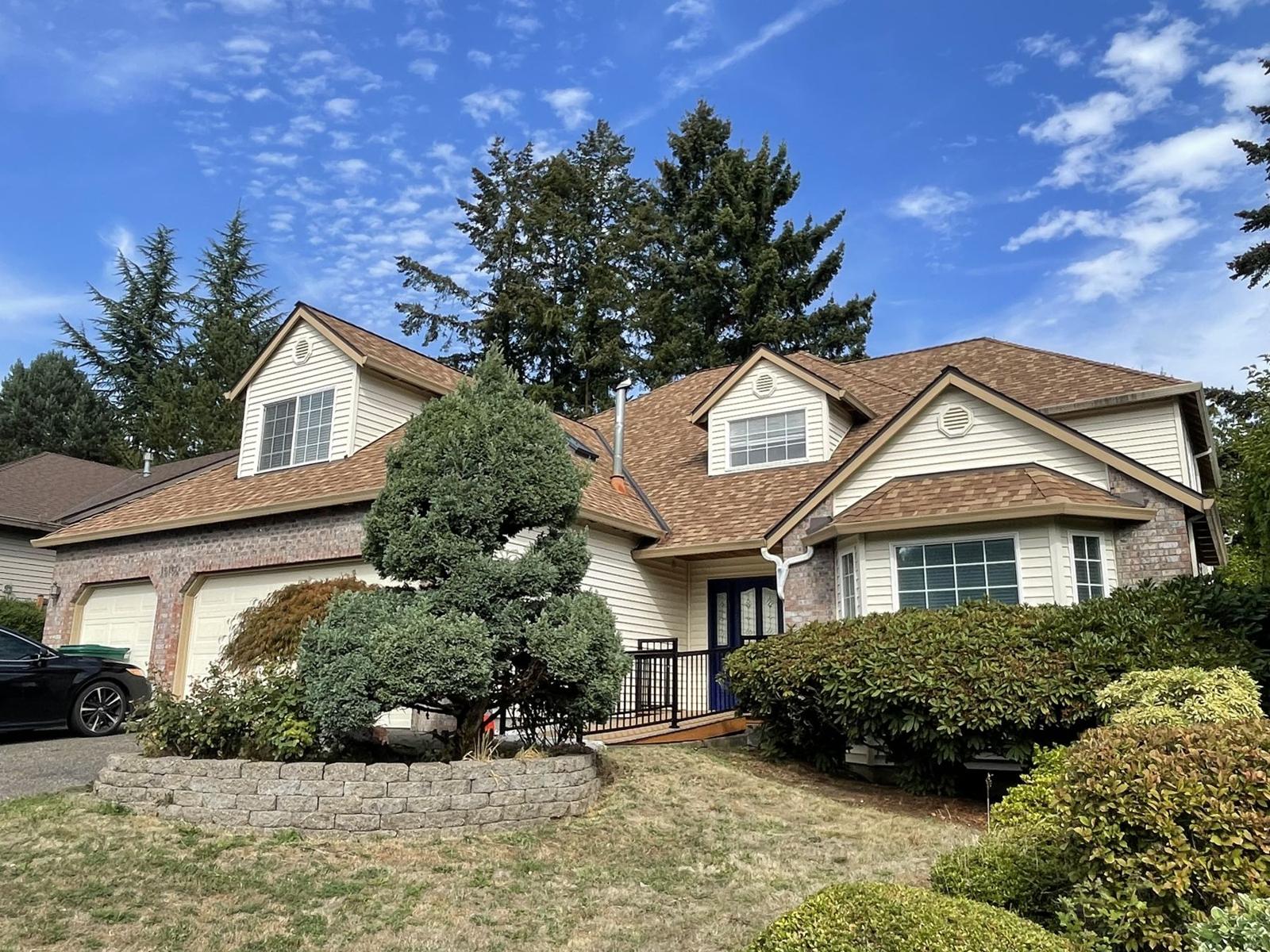
Clackamas, Oregon.
A residential street in Clackamas County, minutes from the hospitals and clinics most of our residents were referred from.